

Prepare an operation
Organise cargo, documents and participants before the first collection, shipment or delivery.

Logistics and Supply Chain
TAYLOR MADE ONLYExecution Services / Operations
We organise cargo, routes, documents and responsibilities to align participants at each stage of the operation.
Discuss your operationTaylor's role
From preparing a new route to reviewing an existing flow, Taylor organises the interfaces between those who ship, operate and receive the cargo.
Organise cargo, documents and participants before the first collection, shipment or delivery.
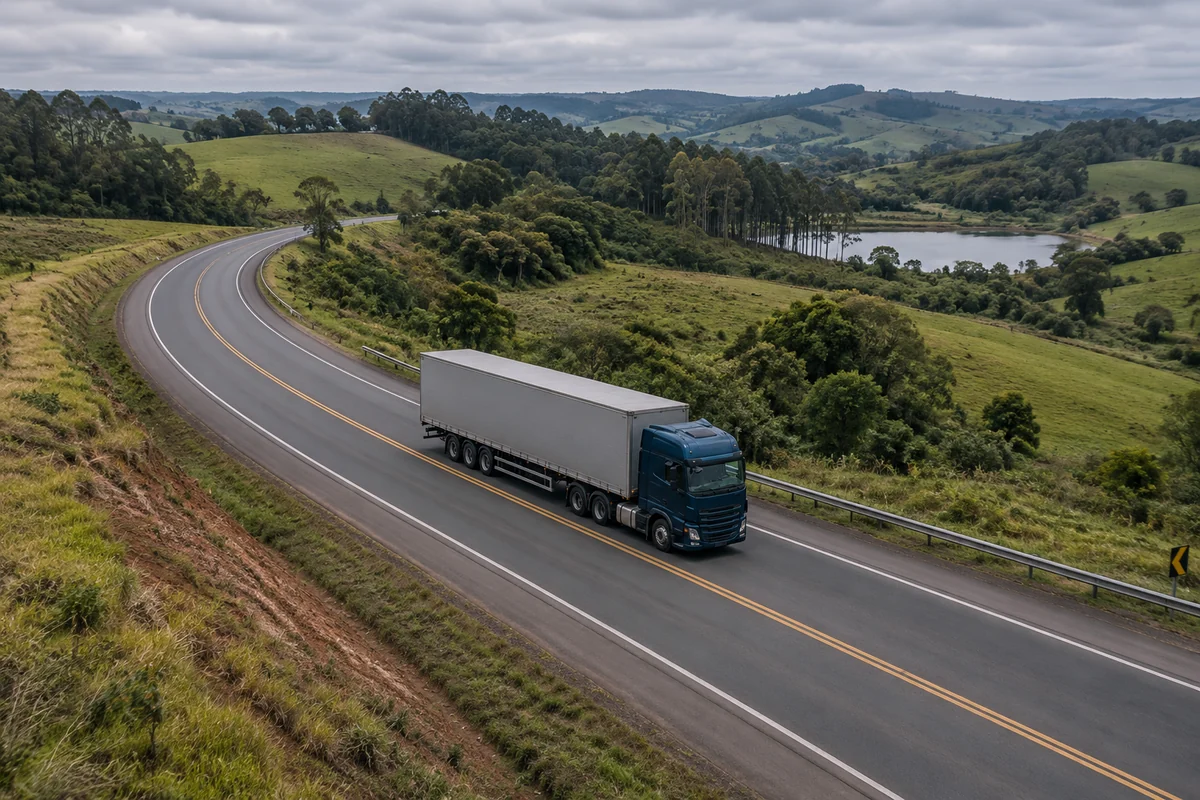
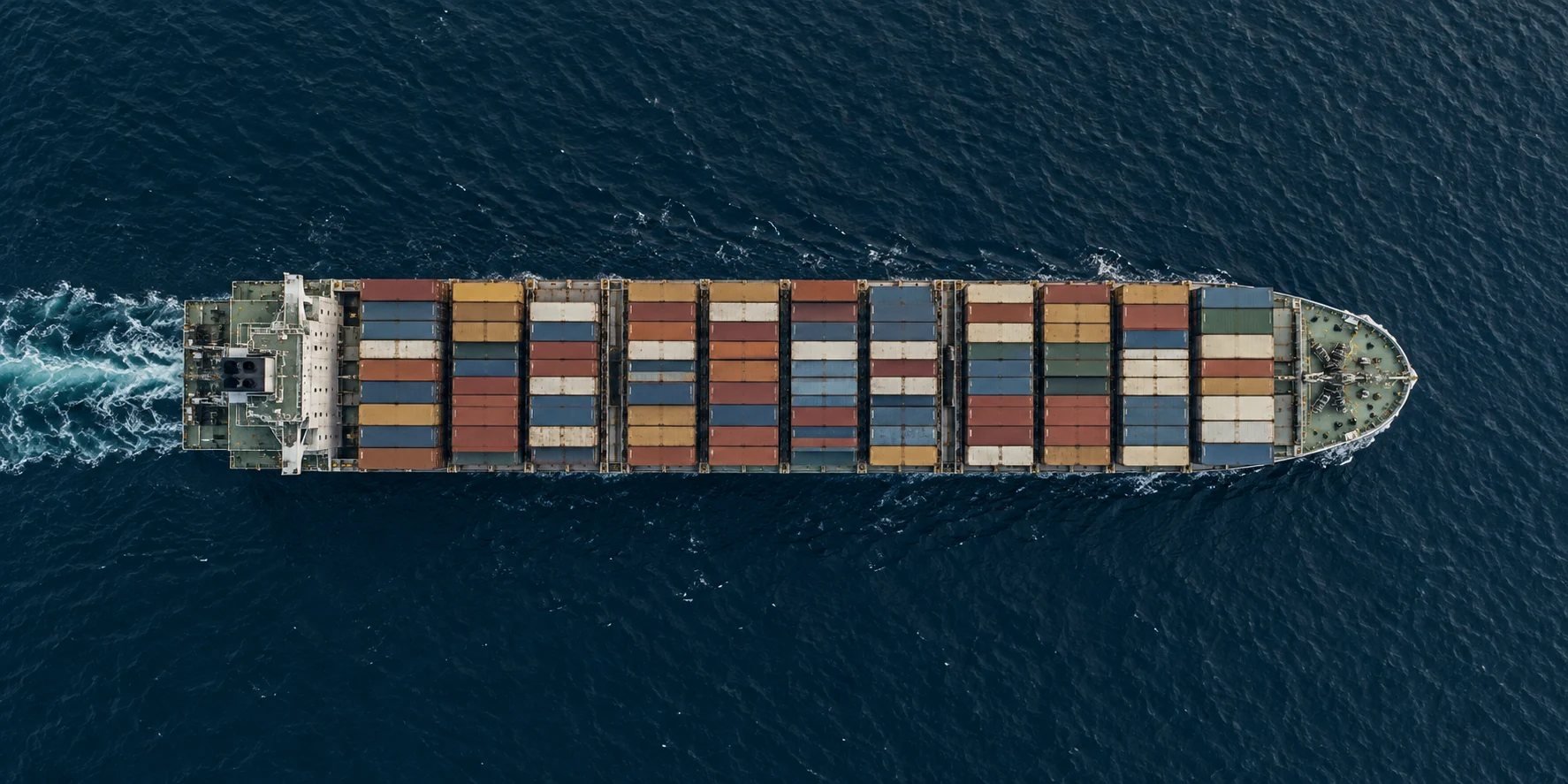
Assess the route, transport mode and transfer points to identify dependencies and outstanding decisions.

Connect the shipper, providers and destination through an agenda of timelines and responsibilities.
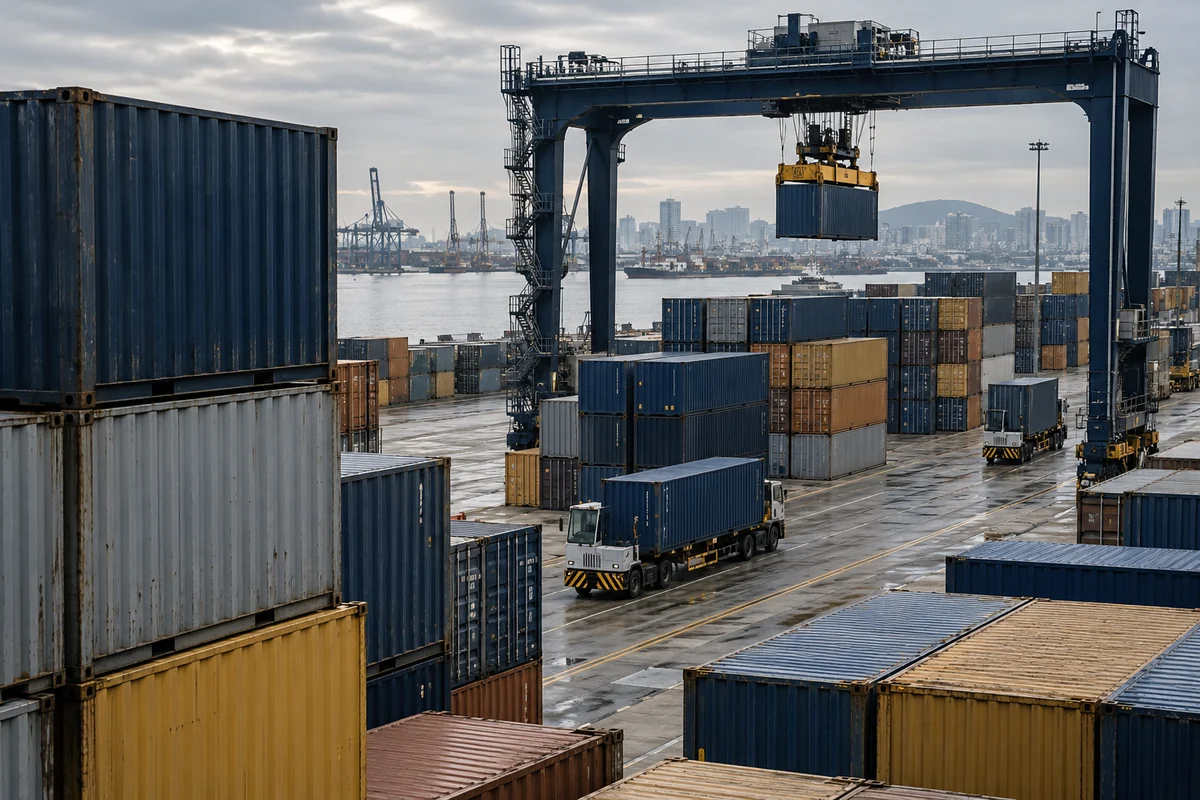
Bring together commercial terms, documentary requirements and international operating windows.
Defined responsibilities
Taylor coordinates the interfaces covered by the engagement. Carriers, agents, terminals and warehouses execute their activities under their respective contracts.
See how the work is organisedIllustrative images of our operating contexts.
What you receive
We turn operational information into materials that guide the work among participants.
01 / Flow
A map connects origin, preparation, route and destination. Participants can then identify dependencies before moving forward.
Materials prepared for the objectives, scope and stage of the engagement.
Example working material
Logistics flow map
Cargo and availability
Documents and approvals
Transport mode and transfers
Delivery and receipt
At every stage: participants, requirements and decision points.
02 / Responsibilities
A matrix connects activities, participants and validations. Each company's role is recorded according to the agreed scope.
Materials prepared for the objectives, scope and stage of the engagement.
Example working material
Responsibility matrix
| Activity | Participants | To be aligned |
|---|---|---|
| Documents | Shipper and agents involved | Requirements and approvals |
| Shipment | Shipper and contracted operator | Availability and window |
| Delivery | Consignee and providers | Receiving conditions |
Responsibilities and validations are defined according to the contracting model.
03 / Agenda
An agenda brings together operational milestones, required decisions and follow-up actions. It provides a basis for tracking what was agreed.
Materials prepared for the objectives, scope and stage of the engagement.
Example working material
Follow-up agenda
How we work
Objective, scope and participants aligned from the first conversation.
Understand the cargo, objective and terms already defined.
Organise the route, participants and dependencies.
Define responsibilities, documents and decision points.
Review milestones, incidents and the next steps in the engagement.
Connected expertise
When the operation forms part of a commercial need, we connect the work to Taylor's other service areas.

Preparing the operation
Examine the complete cycle, the interfaces between participants and the records that support follow-up.
Commodity logistics. Beyond the freight bill.

Let's talk
Tell us the cargo, origin, destination and expected timeline. This is the starting point for understanding the work.
Discuss your operation